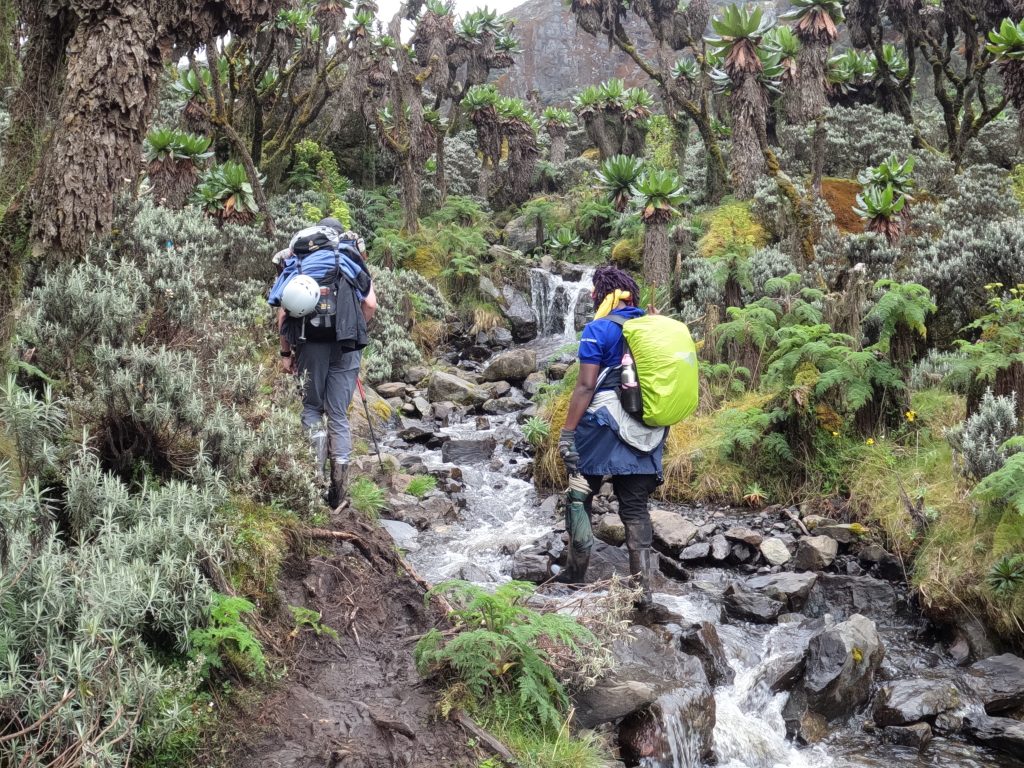
Plan your 7 Days Rwenzori trek to Mountain Gessi or Amin for a remote, off-the-beaten-path experience in the Rwenzori Mountains. This route follows lesser-travelled trails through changing habitats, starting from Nyakalengija and moving upward into alpine terrain near the northern network by the DR Congo border. Reaching Mount Gessi (4,715m) or Mount Emin/Amin (about 4,798m) requires solid physical fitness, good trekking technique, and proper acclimatization, since the climbs involve difficult ground and mountaineering-style conditions. Throughout the journey, you’ll spend multiple nights at camps such as Nyabitaba, John Matte, Skull Cave, and Lac de Luna, allowing your body time to adjust as altitude increases. Wildlife sightings are possible along the way, including birds like the Rwenzori Turaco. By the end, Day 7 brings you back down toward Mihunga Gate, completing the trek with a clear finish after your summit plan. This itinerary is best suited for prepared trekkers.
Day 1 of your 7 Days Rwenzori trek to Mountain Gessi or Amin begins at Nyakalengija, where you start the climb toward Nyabitaba Camp at around 2,650m. The walk takes you through lush montane forests, and the trail gradually becomes steeper as you gain height. This first hiking day is important for finding your pace, organizing your layers for changing temperatures, and settling into the mountain rhythm. Along the route, keep an eye out for local birdlife, including the Rwenzori Turaco, an endemic species often found in this region. You’ll also have time to pause for short breaks, hydrate, and check your footing on uneven ground. The atmosphere is typically cool and green, with dense vegetation covering much of the landscape. By the time you reach Nyabitaba Hut, you’ll have covered the key first stage of the ascent. After arrival, your guide will explain the plan for the next day and help you prepare for the bamboo and higher sections ahead.
Day 2 continues your 7 Days Rwenzori trek to Mountain Gessi or Amin as you move from Nyabitaba to John Matte Camp (around 3,505m). This stage includes a crossing of the Mubuku River, followed by a trek through dense bamboo, where the path can feel slower and more technical than forest trails. Bamboo sections often require careful foot placement because the ground can be uneven and damp. The climb helps you continue gaining altitude in a controlled way, supporting acclimatization before the higher camps. As you walk, you may notice the landscape opening in places, with distant views of snow-capped peaks that reflect the altitude you’re approaching. Your guide will manage pace and breaks to help you stay comfortable, especially as your breathing changes with the climb. Expect the day to feel focused on steady movement rather than speed. When you reach John Matte Camp, you’ll have time to rest, eat, and organize your gear for the following day’s wetter bog sections and river crossings. A good night here is part of preparing for the summit plan
Day 3 of your 7 Days Rwenzori trek to Mountain Gessi or Amin takes you from John Matte Hut toward Skull Cave Camp. After leaving the bamboo and river corridor, the trail shifts into steeper, boggy terrain. Expect soft ground in places, where walking requires patience and stable steps. You will cross the Bujjuku River as part of the route, so your guide may time crossings based on conditions. This day also functions as an acclimatization step because it adds altitude gradually while exposing you to more remote mountain features. A key highlight on this segment is the arrival at Skull Cave Camp, known as a good spot for birdwatching and observing local highland wildlife activity. During the hike, keep your routine consistent: drink water regularly, take short breaks when suggested, and keep your pack weight controlled. Evening at Skull Cave Camp is the time to recover and prepare for the Afro-alpine environment coming next. You can also review gear, especially items you’ll want in cooler, higher zones. By the end of Day 3, you’ll be better positioned for the transition toward Lac de Luna Camp.
Day 4 of your 7 Days Rwenzori trek to Mountain Gessi or Amin is a challenging move from Skull Cave Camp into the Afro-alpine zone, ending at Lac de Luna Camp. The terrain becomes more exposed as you climb, and the environment can shift quickly from denser vegetation to higher altitude landscapes with colder air and less cover. This is the day when the remoteness becomes more noticeable because the route is less travelled and feels more wilderness-like. The hike is demanding, so your guide will likely set a steady rhythm with periodic pauses to help you manage energy. As you approach Lac de Luna, you’ll notice the increased openness of the surroundings and a wider sense of the region ahead. Views can extend toward distant areas in the direction of the Congo, depending on cloud cover and weather. The main focus is controlled progress while staying comfortable on uneven ground. Upon arrival, you’ll settle at camp and take time to rest, warm up, and confirm the plan for summit day. Lac de Luna is an important staging point. A well-managed evening on Day 4 supports better sleep and improves readiness for scrambling and pass sections on the next day.
Day 5 is the summit day within your 7 Days Rwenzori trek to Mountain Gessi or Amin. You start from Lac de Luna and move via Mugusu Valley and Roccato Pass, entering terrain suited to more technical travel. The route may include scrambling over rocky slabs, so you’ll need good balance, careful movements, and concentration throughout the climb. Your guide will position you to manage the ground safely and help you pace according to conditions and your acclimatization level. Because the goal is reaching Mount Gessi (4,715m) or Mount Emin/Amin (about 4,798m), attention to energy use matters. Once you reach the summit, you’ll take time for a short rest and final check-in before beginning the descent. The return is also challenging, since downhill travel can strain legs and joints, especially after a long technical ascent. You’ll descend back toward John Matte Hut for the night. This evening is mainly recovery-focused: warm meals, hydration, and a calm routine to support proper muscle rest. Day 5 is demanding, but it completes the main objective of your 7 Days Rwenzori trek to Mountain Gessi or Amin and sets you up for easier trekking back toward lower camps.
Day 6 of your 7 Days Rwenzori trek to Mountain Gessi or Amin is a descent back from John Matte Hut to Nyabitaba Camp. After summit day, this stage still requires careful walking, because descending over uneven ground can be tough even when the route is going lower. The trail continues through heather trees and transitions toward bamboo zones, bringing you gradually into a more vegetated environment. As you walk, you’ll likely feel leg fatigue from the previous day, so your guide will encourage a controlled pace and safe step placement. This day is also useful for physical recovery because you can focus on hydration, regular snacking, and staying warm as temperatures change with altitude. Bamboo can be slippery or damp in sections, and heather areas can be uneven, so remain attentive on footing. The goal is to move comfortably without rushing. When you reach Nyabitaba, you’ll have a familiar camp setting where you can rest, organize your gear, and review what remains for the final day. By the end of Day 6, you’ll be ready for the official conclusion route, which starts with the descent toward Mihunga Gate on Day 7.
Day 7 concludes your 7 Days Rwenzori trek to Mountain Gessi or Amin with a final descent from Nyabitaba toward the official ending point near Mihunga Gate. This is a longer trekking day compared to a simple transfer, and it helps complete the circuit from higher zones back down to the start area. Expect to walk through forest and lower vegetation as the altitude drops, with the route becoming less technical than the earlier higher-camp sections. Your guide will manage pace based on your condition, especially since most trekkers feel the effects of summit day and multiple days of ascent and descent. Along the way, focus on steady steps and hydration, and take advantage of any breaks offered for stretching and cooling down. The final walk is designed to bring closure: it confirms the completion of your trek plan and marks the end of the mountain itinerary officially. When you reach the area near Mihunga Gate, your team can finalize wrap-up details with local support. After that, you’ll be ready for onward travel arrangements, with the mountain experience safely completed and the descent fully concluded.
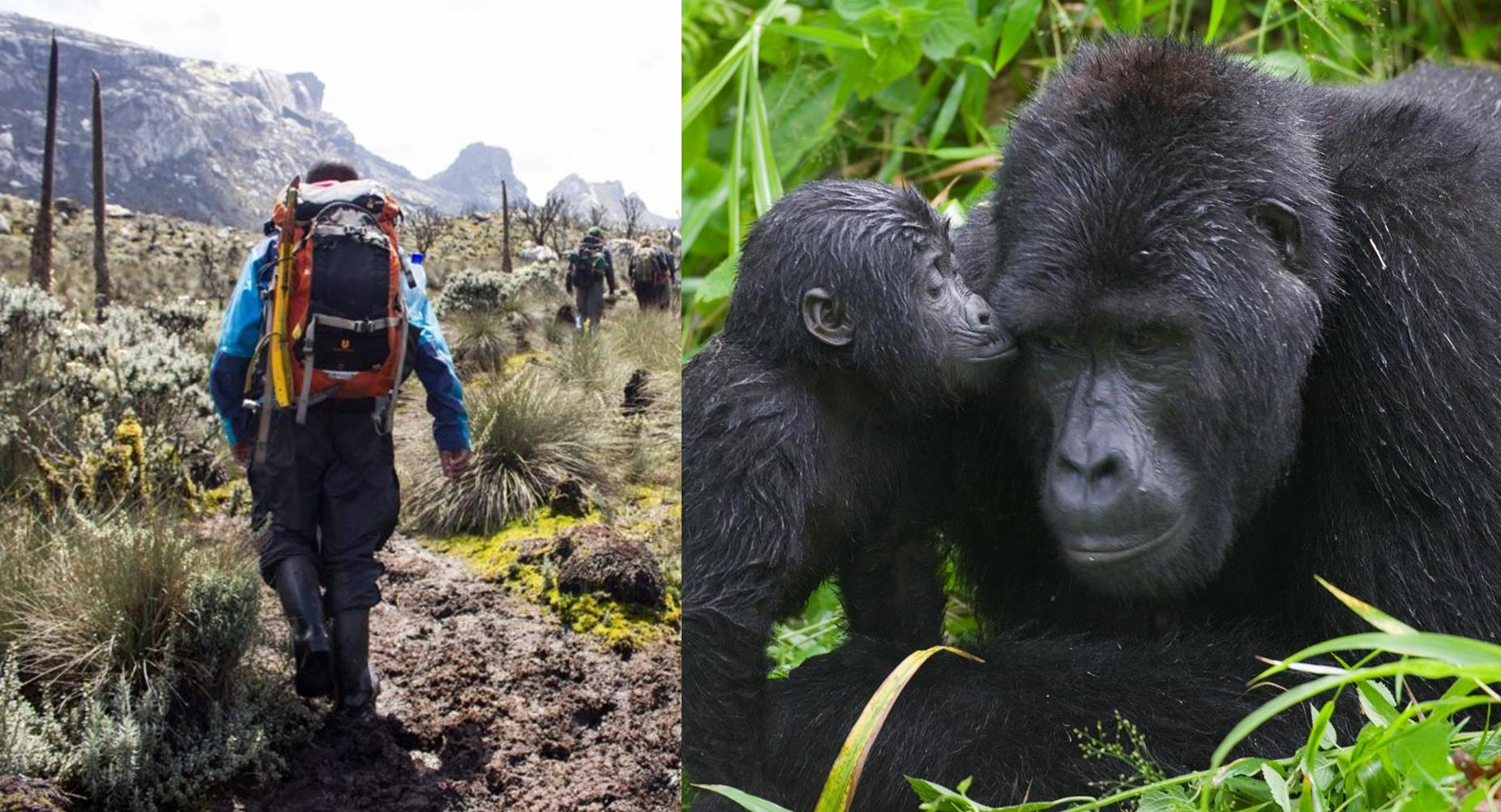
This 7-day adventure perfectly combines tracking gorillas in Bwindi Impenetrable National Park, chimpanzees in Kibale, and a 2-day Rwenzori hike. Your...
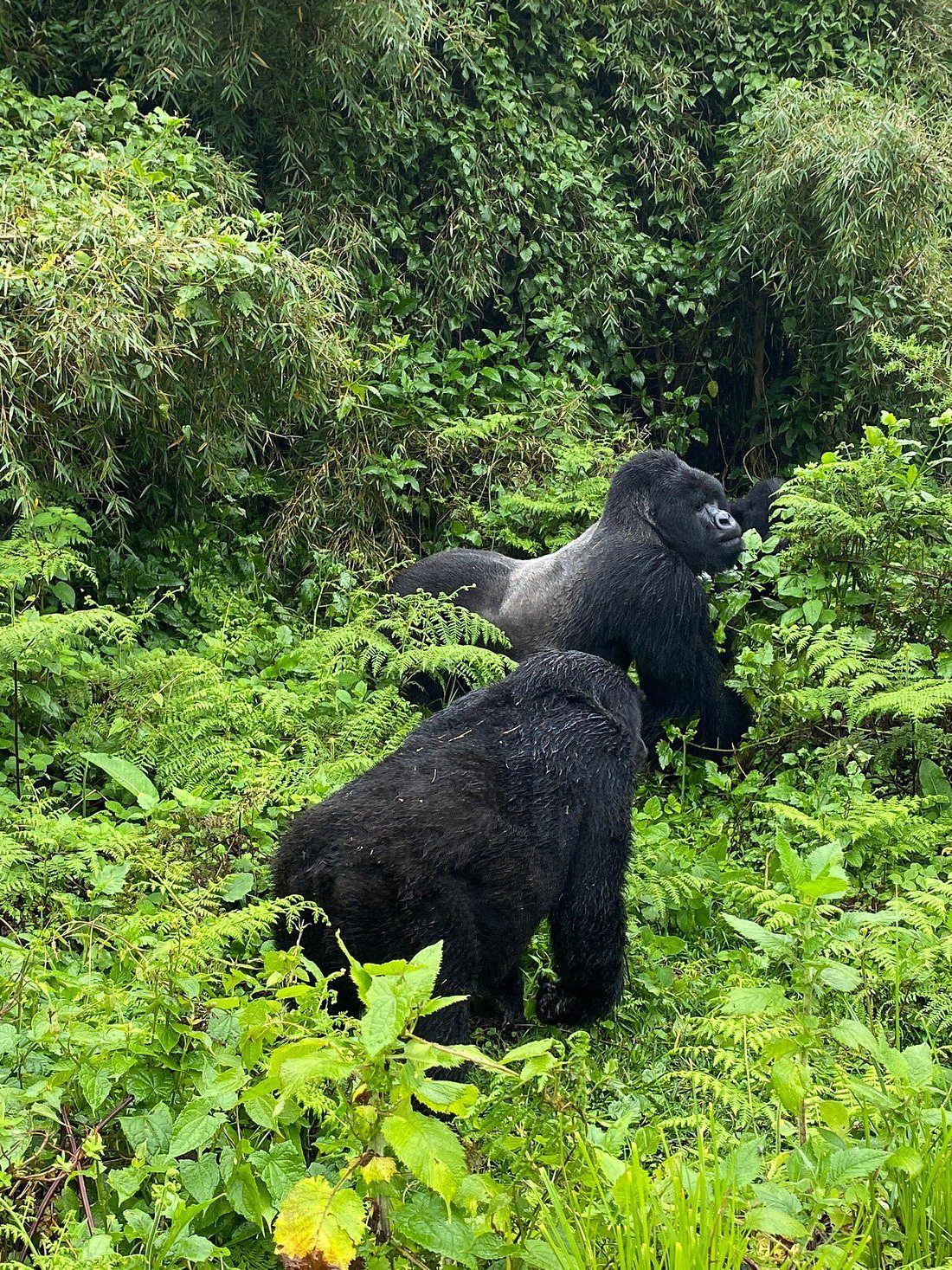
2 Days / 1 Night: Nyungwe National Park (from Kigali)
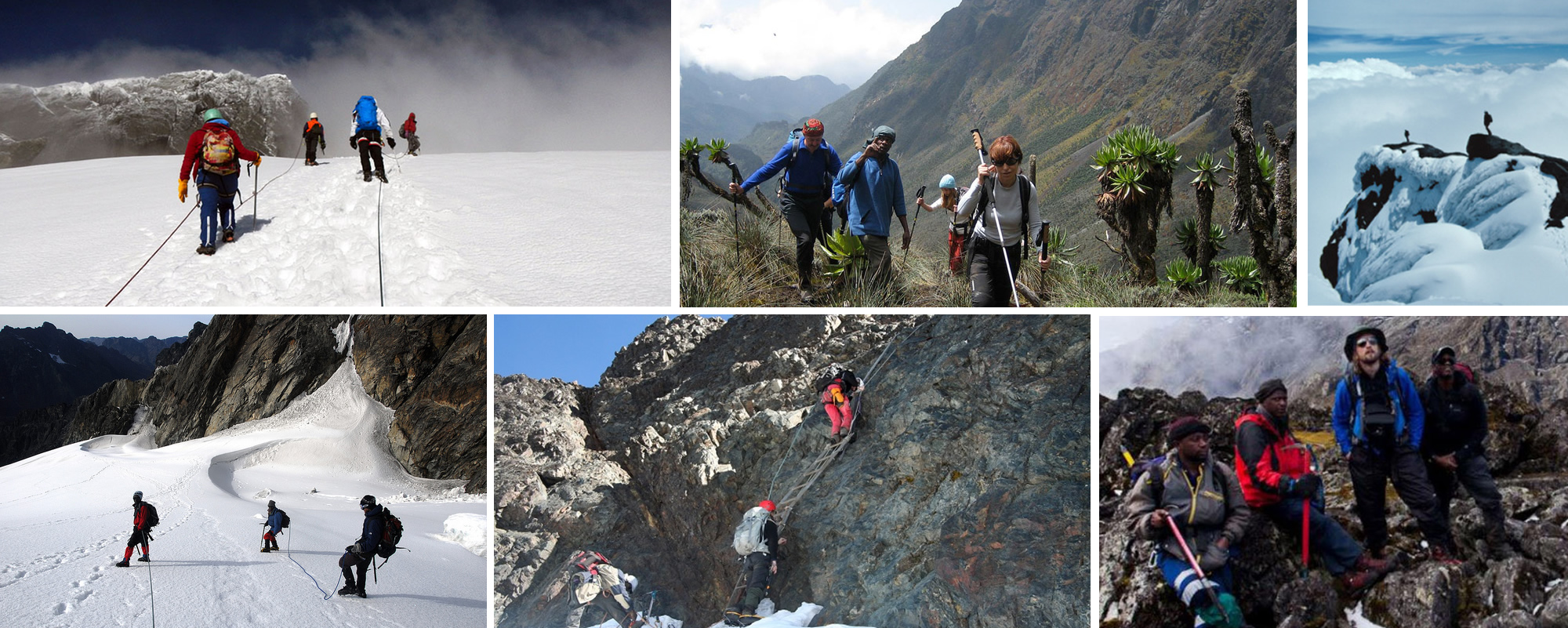
Conquering the Mountain Rwenzori hike via the rugged Kilembe Trail is a grueling, world-class alpine expedition that demands peak physical conditionin...
Copyright © 2026 Roads of Adventure Safaris. All Rights Reserved.
Designed by aHUBUg
