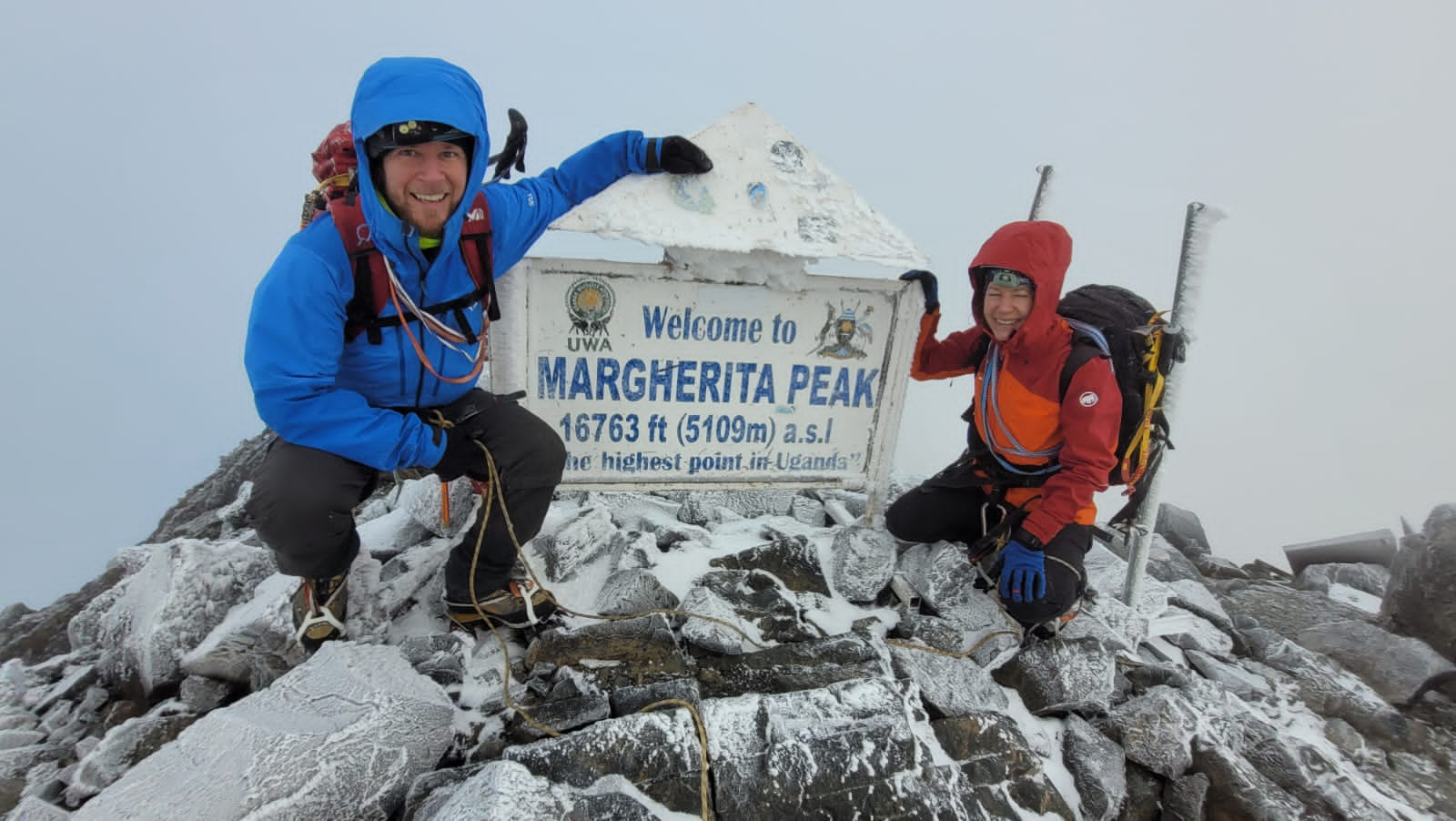
If you’re searching for the 11-Days best Rwenzori Mountain Hike to Margherita Peak, this journey is built for hikers who want both endurance and scenery across changing landscapes. Over eleven days, you’ll take on the Central Circuit trek, moving from forest trails to bamboo zones, then into higher alpine bogs and glacial terrain as you head toward Margherita Peak (5,109m). Along the route, you’ll pass camps such as Nyabitaba, John Matte, Bujuku, and Elena—each offering time to rest, acclimatize, and adjust to the mountain’s rhythm. Before the climb, you can include Kibale National Park chimpanzee tracking, giving the safari experience a strong start. On summit day, you’ll follow guided rope sections and glacier routes early in the morning, then descend to continue the circuit. This itinerary also leaves space to enjoy Rwenzori scenery in stages, finishing with a comfortable return to the trailhead.
On Day 1, you arrive at Entebbe International Airport and transfer to your accommodation near Kibale National Park. This first day is designed for rest, orientation, and planning. You’ll settle in and prepare for the activities ahead, including wildlife time and the next stage of the trek. If you arrive early, you can use the afternoon to review your trekking essentials, confirm your inclusions with your guide, and discuss the schedule for chimpanzee tracking and the transfer toward Rwenzori. The drive and check-in also help you adjust to local conditions before the mountain portion begins. After an easy evening, you’ll sleep well and stay hydrated, since the following day involves walking and early start logistics. This pacing helps you begin Day 2 with energy. In addition, your team can finalize porter arrangements and any last-minute gear details before heading into the mountains.
Day 2 is reserved for chimpanzee tracking in Kibale National Park. A guided excursion takes you into the forest environment where chimps feed and move, and your ranger helps you locate active groups. The experience depends on chimp movement in the forest, so the pace is practical and guided by sightings rather than fixed timing. You’ll learn about chimp behavior, conservation, and the rainforest ecosystem during the trek. After the tracking session, you return for rest and planning for the upcoming transfer to Rwenzori. This downtime is important because the mountain trek begins soon after your base camp preparation. You’ll also take time to review gear for the trek: footwear, rain protection, warm layers, and daypack organization. The goal for Day 2 is to balance wildlife time with a calm evening, so you’re ready for travel and the logistics of reaching Nyakalengija base camp on Day 3. Proper hydration and early sleep help you stay comfortable.
On Day 3, you transfer from the Kibale area toward Kasese and continue to the Rwenzori base camp at Nyakalengija (around 1,450m–1,600m). This stage is about getting into position for the hike and completing essential pre-trek tasks. You’ll do gear checks, confirm that porters have your loads as planned, and receive any final instructions from your guide. It’s also a good time to inspect trekking equipment, including crampon-ready boots for later glacier travel, rain layers, and your personal medical items. Your guide will explain the route direction, hut-to-hut expectations, and how the daily walking time will feel as altitude increases. Once your arrangements are finalized, you’ll rest near base camp and prepare for the first trekking day. This overnight also helps you adjust to the mountain setting before entering higher, cooler environments. By staying focused and organized today, you reduce stress later on the trail and improve comfort as you start climbing.
Day 4 begins your Central Circuit hike from Nyakalengija to Nyabitaba Hut at 2,651m. You start trekking along the Mubuku River, moving through lush tropical rainforest. As you gain altitude, the vegetation transitions, and bamboo zones become more frequent along the path. The walk is steady and guided, with opportunities to pause, adjust layers, and manage energy for the hours ahead. The terrain can be uneven due to forest ground conditions, so good foot placement is important. Your guide sets the rhythm, helping you keep a comfortable pace that supports acclimatization. Approaching Nyabitaba, the air often feels cooler, and you’ll notice the landscape becoming more alpine in character. Once you arrive, you’ll settle into the hut or camp area, organize your daypack, and prepare for the next day’s higher elevation. Even though this is not yet the highest point on the circuit, it’s a key step because it prepares your body for the climb into the moss-covered and boggy sections that follow. A warm meal and rest help you recover.
On Day 5, you continue from Nyabitaba to John Matte Hut at 3,420m. The route brings you across the Kurt Schuffer bridge over the Mubuku and Bujuku rivers, a well-known landmark that marks a shift in the hiking environment. After the crossing, you head into moss-covered alpine forest and gradually into boggy sections. The trail can feel softer underfoot, and in some areas the ground may be uneven or damp, so careful walking improves stability and reduces fatigue. Your guide will support you with pacing and small route adjustments as conditions change. The temperature can drop as you gain altitude, so layering is useful throughout the day. You’ll also take short breaks to rehydrate and eat snacks, helping you maintain energy. John Matte Hut is reached after a long, steady effort that supports gradual acclimatization. Once you arrive, you’ll focus on recovery: warm drinks, proper food portions, and early sleep. This day is a bridge between the forest portion and the higher alpine zones where mornings and evenings can feel much colder.
Day 6 takes you from John Matte Hut to Bujuku Camp at 3,962m. The hike includes lower and upper boggy zones, where the trail can be wet and slow, requiring patience and consistent footwork. You will cross the Bigo Bog and continue onward into a scenic valley. As the altitude increases, the views broaden, and you’ll see the mountain’s distinct presence in the surrounding landscape. The environment becomes more high-altitude and less like the rainforest lower down the circuit. You may notice that your breathing feels heavier than in earlier days, so a steady pace remains important. Your guide will help you manage effort to maintain comfort. Bujuku Camp provides a good location to rest, eat, and prepare for the next stage. From here, you can often appreciate sight lines toward major Rwenzori peaks such as Mount Speke, Mount Baker, and Mount Stanley. In the evening, you’ll have time to review gear for higher camps and to keep yourself warm as nighttime temperatures drop. This day is about moving upward safely and arriving ready for the tougher terrain tomorrow.
On Day 7, you travel from Bujuku Camp to Elena Hut at 4,541m. This is one of the more demanding walking days on the circuit due to the steeper and rockier terrain. The path works its way upward through higher zones, and your effort gradually increases as the landscape becomes more alpine. You’ll scale the headwall toward Elena Hut, an area that requires careful footing and steady trekking technique. Because this is a higher camp, your body may feel the altitude more strongly than on previous days. Your guide will keep the pace manageable and will encourage breaks for hydration and snacks. Elena Hut is a primary high-altitude base camp for the summit push, so your arrival includes time to settle in and focus on readiness. You’ll organize your layers for colder conditions, check items you’ll use later for glacier travel, and confirm rope and crampon instructions for the following day. After dinner, you’ll rest well, since early wake-up timing is typical for summit attempts. This day helps you position yourself for the final climb while building confidence in your trekking rhythm.
Day 8 is the summit day for Margherita Peak (5,109m), followed by descent to Kitandara Camp. The day starts very early, with a wake-up around 3 a.m., so you can reach the glacier route in suitable conditions. You’ll ascend over the Stanley Glacier and Margherita Glacier, using ropes and crampons as guided by your team. This section focuses on safe movement, secure foot placement, and careful pacing rather than speed. As you climb, you’ll follow your guide’s instructions for spacing and footing on uneven icy areas. After reaching the summit, you will begin the descent down toward Kitandara Camp for the night. Descending is still physically demanding, so you’ll maintain control and keep moving steadily through the colder, higher environment. Once you arrive, you’ll recover with warm food, fluids, and rest. This day requires strong preparation in earlier stages, especially from Elena, so the full circuit build-up helps you handle the final push. On this itinerary, Day 8 is planned to maintain the route timing and keep you on track for the remaining days.
On Day 9, you move from Kitandara Camp down to Guy Yeoman Camp at 3,450m. This day is a descent and recovery while still offering challenging sections of trail. You’ll climb the headwall of Mount Baker to reach Freshfield Pass at 4,282m, which provides a meaningful altitude moment even though the overall direction is down the circuit. After passing Freshfield Pass, the route transitions into a descent on steep rocky terrain. The trail continues toward a mossy plateau area, where the vegetation becomes wetter and thicker in appearance. Walking conditions can vary, and your guide may adjust the pace depending on ground stability. You’ll need to keep your steps controlled, particularly after summit-day exertion when muscles can feel tired. Guy Yeoman Camp is reached after this mix of ascent and descent, giving you a place to rest and regain comfort. In the evening, you’ll focus on hydration, warm layers, and stretching or light recovery routines if your guide recommends them. This day helps you transition from the summit focus back to the main circuit walk, moving steadily toward Kitandara’s re-connection points later in Day 10.
Day 10 completes much of the circuit by taking you from Guy Yeoman Camp to Nyabitaba and then down to Nyakalengija base camp. The day includes sections with cliffs and steep trails, such as Kichuchu, before you enter the bamboo forest again. This route style means the walking is technical in places, so consistent foot placement and careful balance are important. As you descend, the terrain gradually becomes more similar to the earlier days on the circuit. You’ll rejoin the path you used on Day 4, which can feel reassuring because it confirms you’re closing the loop. Along the way, your guide will help you manage time and energy while navigating the uneven ground. The bamboo forest portion can be slower, but it often feels cooler and shaded, offering a change from the higher rocky sections. As you near Nyakalengija, you’ll notice the environment shift back toward lower altitude conditions. Once you arrive at base camp, you’ll organize your gear for departure logistics and spend time resting properly. This day is about safe trekking, steady descent, and preparing for a comfortable final night before returning to the city on Day 11.
On Day 11, you finish the trek with a departure and transfer to Kampala or Entebbe. After a restful night at Nyakalengija base camp, you’ll pack and finalize any remaining logistics with your driver and guide. This day is typically straightforward, but you’ll still want to check that all items are accounted for—especially trekking poles, headlamps, chargers, and personal medical supplies. Once everything is confirmed, you’ll begin the drive back to the city areas around Kampala or Entebbe. During the travel, you can recover from the mountain effort by staying hydrated and resting as much as possible. The long journey allows time to reflect on the trek and to note how your body adapted across the different zones—from rainforest and bamboo to alpine bogs and glacier terrain. Depending on your flight or onward schedule, your arrival time may vary, so it’s helpful to keep your final-day timing flexible. By the end of Day 11, you’ll have a smooth return, giving you the chance to transition from trekking life back into travel comfort and planning for your next stop.
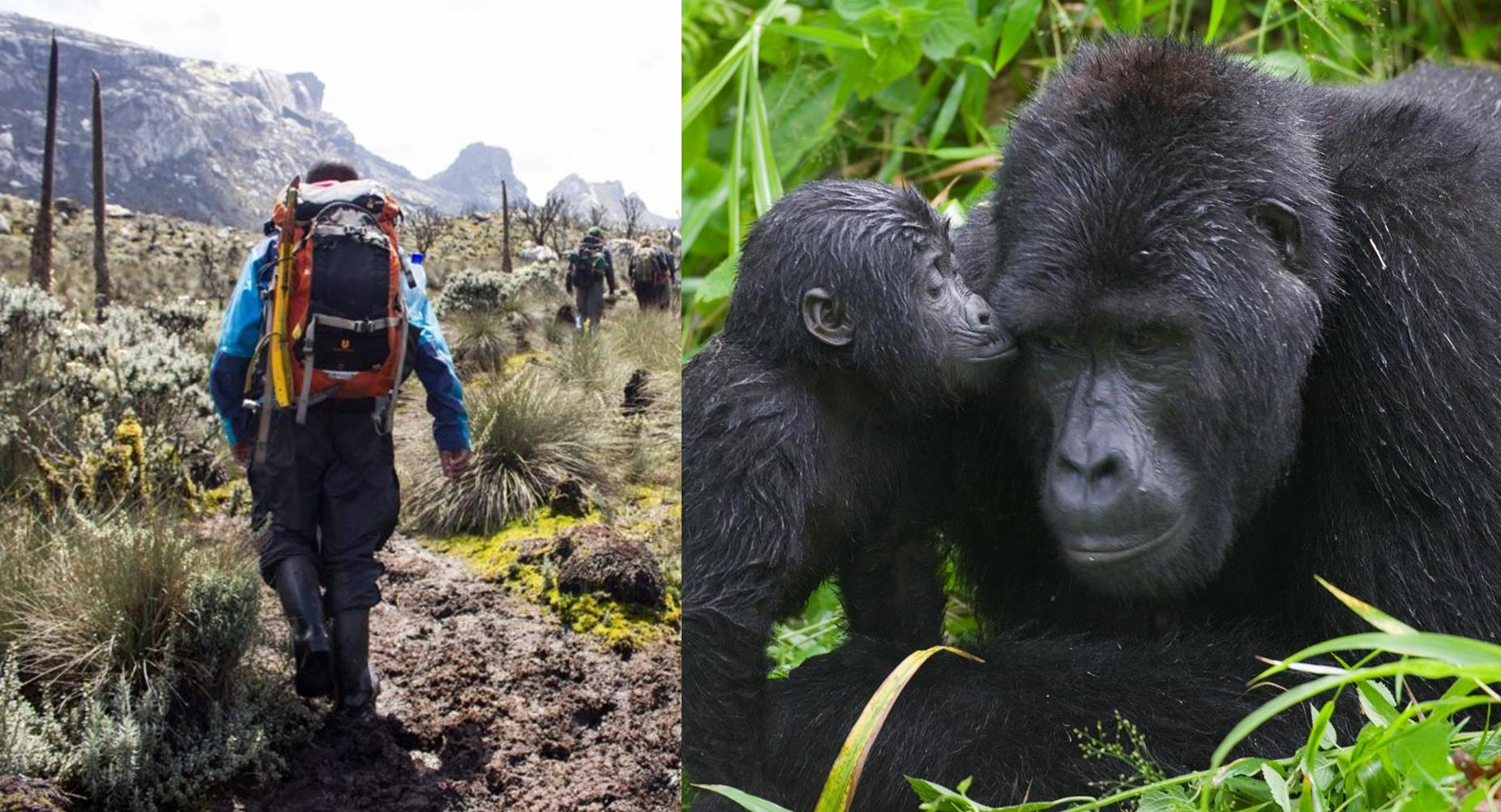
This 7-day adventure perfectly combines tracking gorillas in Bwindi Impenetrable National Park, chimpanzees in Kibale, and a 2-day Rwenzori hike. Your...
2 Days / 1 Night: Nyungwe National Park (from Kigali)
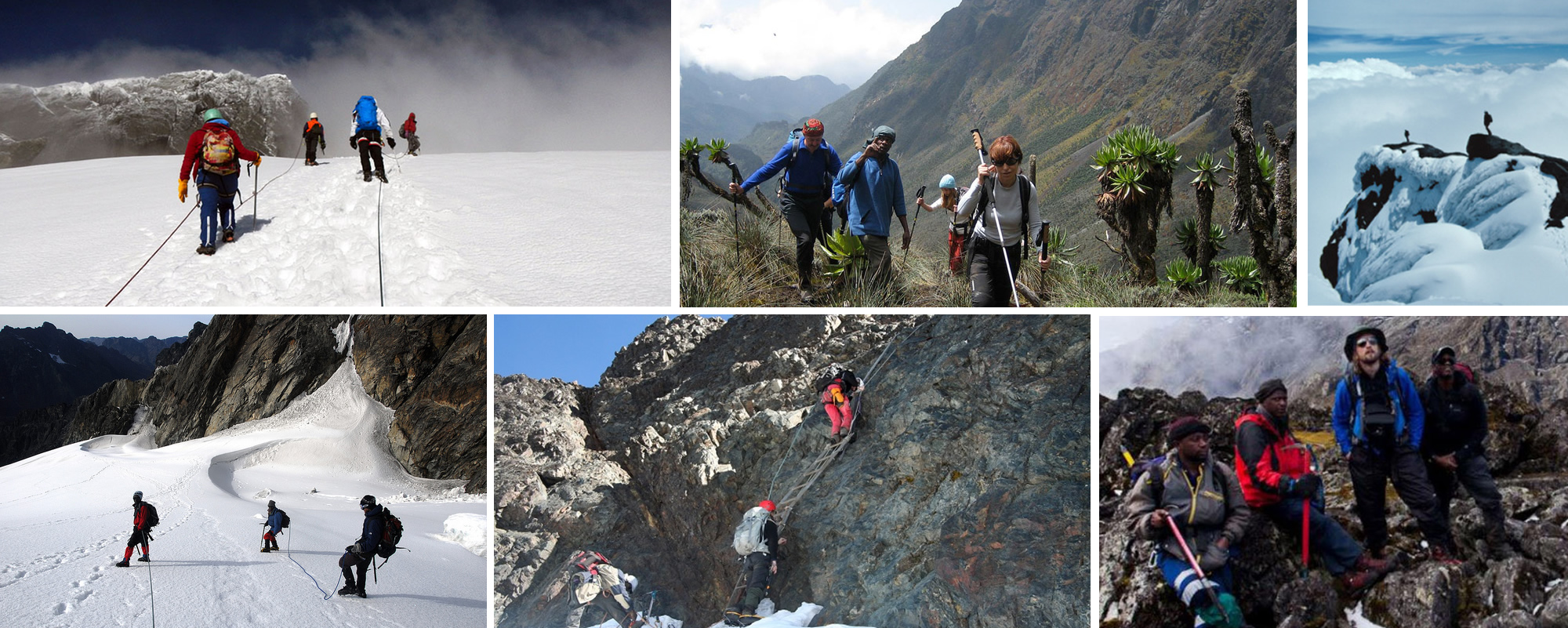
Conquering the Mountain Rwenzori hike via the rugged Kilembe Trail is a grueling, world-class alpine expedition that demands peak physical conditionin...
Copyright © 2026 Roads of Adventure Safaris. All Rights Reserved.
Designed by aHUBUg
